Tractors are the backbone of modern farming, offering unparalleled power and versatility in a wide range of agricultural applications. One of the key factors that enable tractors to perform efficiently and effectively is their hydraulic system. The hydraulic system plays a vital role in powering various tractor components, such as the lift arms, attachments, and steering mechanisms. In this blog post, we’ll explore how quality hydraulic components for tractors, particularly John Deere hydraulic parts, can enhance performance and ensure that your tractor remains a reliable workhorse on the farm.
What Are Tractor Hydraulic Systems?
Tractor hydraulic systems are designed to transmit power through pressurized fluid to various parts of the tractor. By using hydraulic pressure, tractors can lift heavy loads, control implements, and perform other essential functions that would otherwise be impossible with mechanical systems alone. These systems rely on a series of hydraulic components, including pumps, valves, cylinders, hoses, and reservoirs, all of which need to be high-quality and properly maintained to ensure optimal performance.
Why Quality Hydraulic Components Matter for Tractors
1. Efficiency in Power Transmission
The primary purpose of a tractor hydraulic system is to transmit power to various implements and attachments. Quality hydraulic components ensure that power is transferred efficiently, minimizing energy loss and maximizing the tractor’s performance. When you use high-quality components, like John Deere hydraulic parts, the tractor’s hydraulics can perform at their peak, allowing for faster and more efficient operation, whether you’re lifting a heavy load or powering a plow.
2. Improved Tractor Performance and Longevity
Just like any other machine, a tractor requires dependable parts to function properly. By investing in premium hydraulic components, you not only enhance the tractor’s operational efficiency but also extend its lifespan. Low-quality or faulty hydraulic components can lead to system failures, leaks, and inefficient operation. Over time, these issues can cause costly repairs and significant downtime. Using top-tier hydraulic parts ensures smooth operation, reducing the risk of breakdowns and the need for frequent maintenance.
3. Enhanced Lift Capacity and Control
The hydraulic system is responsible for controlling the tractor’s lifting mechanism, allowing it to raise and lower heavy implements. Quality hydraulic components, such as durable hydraulic cylinders and valves, are essential for maintaining precise control over these functions. With high-performance hydraulic components, your tractor will be able to handle heavy loads with ease, enhancing its ability to perform tasks like plowing, tilling, or lifting bales of hay. This level of precision and power can increase overall productivity and improve your work efficiency.
4. Reduced Operating Costs
One of the key advantages of high-quality hydraulic systems is their ability to reduce operating costs. Well-made hydraulic components are designed to be more durable and efficient, which means less energy is wasted during operation. This not only helps save fuel but also reduces wear on other tractor parts. With fewer breakdowns and less frequent repairs, you’ll experience reduced maintenance costs, allowing you to allocate resources to other essential farm operations.
Key Hydraulic Components for Tractors
1. Hydraulic Pumps
Hydraulic pumps are the heart of a tractor’s hydraulic system. They convert mechanical energy from the engine into hydraulic energy by pressurizing the hydraulic fluid. A high-quality hydraulic pump ensures that the system can generate sufficient pressure to operate various attachments and implements. When choosing a hydraulic pump for your tractor, it’s important to select one that is compatible with your tractor’s size and workload. John Deere hydraulic parts, for instance, are specifically engineered to meet the demands of high-performance tractors, providing a seamless and reliable power source.
2. Hydraulic Cylinders
Hydraulic cylinders are responsible for converting hydraulic pressure into linear motion. They play a critical role in lifting and lowering the tractor’s attachments and implements. High-quality hydraulic cylinders ensure smooth operation and precise control, allowing for better lifting capacity and stability. These cylinders are typically equipped with seals and valves that help regulate fluid flow, ensuring that the system operates efficiently and without leaks. Investing in durable hydraulic cylinders prevents premature wear and tear, enhancing the overall longevity of your tractor.
3. Hydraulic Valves
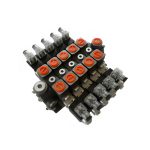
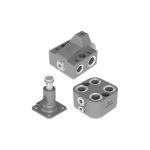
Hydraulic valves control the flow of hydraulic fluid within the system, directing it to the appropriate components. A reliable valve ensures that the hydraulic fluid flows smoothly and efficiently, preventing system failures and optimizing performance. Quality valves help maintain consistent pressure levels, allowing the tractor to handle heavy-duty tasks without straining the system. With premium valves, you can experience smoother control over the tractor’s functions and reduce the risk of system malfunctions.
4. Hydraulic Hoses and Fittings
Hydraulic hoses and fittings are essential for transporting hydraulic fluid between components. The quality of these hoses and fittings is crucial in maintaining fluid pressure and preventing leaks. Durable hoses and fittings reduce the risk of damage caused by wear and tear, as well as the potential for fluid leaks, which can be hazardous. Choosing high-quality hoses and fittings ensures that the hydraulic system remains sealed and performs optimally, even under heavy loads.
5. Hydraulic Reservoirs
Hydraulic reservoirs store the hydraulic fluid that circulates through the system. A properly designed reservoir allows for efficient fluid cooling, filtering, and separation of air from the hydraulic fluid. Quality reservoirs ensure that your hydraulic system has a steady supply of clean fluid, which is essential for maintaining optimal system performance. A well-maintained reservoir prevents contamination and ensures that the system runs smoothly, even during prolonged use.
The Role of John Deere Hydraulic Parts in Tractor Performance
John Deere is a trusted brand known for producing high-quality agricultural equipment, and their hydraulic parts are no exception. John Deere hydraulic components are designed with precision to enhance the performance and longevity of their tractors. Whether you’re working with small utility tractors or large agricultural machinery, John Deere offers hydraulic parts that can handle heavy-duty tasks with ease.
Some of the key benefits of using John Deere hydraulic parts include:
- Durability: John Deere hydraulic parts are built to withstand the rigors of daily use in tough agricultural environments.
- Reliability: John Deere is known for its dependable machinery, and their hydraulic components maintain the same standard of reliability, ensuring minimal downtime and repairs.
- Precision: John Deere hydraulic parts are engineered for optimal performance, providing precise control over tractor functions, whether you’re lifting heavy implements or operating attachments.
- Easy Integration: John Deere hydraulic parts are designed to integrate seamlessly with their tractors, ensuring compatibility and ease of installation.
Maintaining Tractor Hydraulic Systems for Optimal Performance
1. Regular Fluid Checks and Changes
To keep your tractor hydraulic system running smoothly, it’s essential to regularly check and change the hydraulic fluid. Over time, the fluid can become contaminated with dirt and debris, which can damage the hydraulic components. Regular fluid changes help maintain clean, effective lubrication and prevent overheating.
2. Inspecting Hydraulic Components
Regular inspection of your hydraulic components, such as hoses, valves, and cylinders, is crucial to identifying potential issues before they cause system failures. Look for signs of leaks, cracks, or wear, and replace any damaged components promptly.
3. Cleaning the System
Hydraulic systems accumulate dirt and debris over time, which can interfere with fluid flow and cause damage to internal components. Regular cleaning of the hydraulic system, including flushing out old fluid and replacing filters, ensures that your tractor’s hydraulics continue to function at peak efficiency.
Conclusion
Tractor hydraulic systems are vital for ensuring that your equipment operates at its best. By investing in quality hydraulic components, like John Deere hydraulic parts, you can enhance your tractor’s performance, improve its lifting capacity, and reduce maintenance costs. Regular maintenance and the use of premium hydraulic parts will ensure that your tractor remains a reliable, high-performing asset for years to come.
When you prioritize the health of your tractor’s hydraulic system, you’re not only enhancing its performance but also protecting your investment and maximizing productivity on the farm. Quality hydraulic components are an investment that pays off in efficiency, cost savings, and long-term reliability.